TEAM
Jean-EMMANUEL SARRY – Fabienne BRENET
METAML :
Metabolism and Drug Resistance in Acute Myeloid Leukemia

The Toulouse Cancer Laboratory of Excellence is a project that aims to understand the mechanisms of resistance and relapse in hematological cancer.

Equipe Labellisée Ligue contre le cancer

the specifities
of our research axis
“It is not the strongest of the species that survives, nor the most intelligent,
but the one most (metabolically and mitochondrially) adaptable to change.”
Despite high rates of remission following treatment, the inevitable resistance to therapy ultimately leads to frequent relapse and death in many cancer patients. The key challenge in eradicating relapse-initiating cells (RICs) is to monitor these residual cells and elucidate their mechanisms of resistance in vivo.
Almost 15 years ago, we started to characterize new mechanisms of drug resistance in acute myeloid leukemia (AML), one of the most relevant therapy-resistant cancer models. In particular, our results highlighted the differences between the leukemic heterogeneity model and the stem cell hierarchical model, and provided clear evidence for non-genetic (metabolic) mechanisms of drug resistance. Our work demonstrated, for the first time, that therapy resistance in AML is driven by an enhanced capacity of RICs to undergo mitochondrial adaptation and metabolic flexibility in AML.
However, while the metabolic hallmarks of drug-tolerant persisters (DTPs) have become better characterized, the non-genetic determinants operating at the tissue and host levels that drive drug resistance and relapse remain poorly understood.
In this context, we are testing the hypothesis that the eco-evolutionary (metabolic/epigenetic) fitness and the mitochondrial adaptation of both microenvironmental (TME) and tumoral cell populations are major determinants of the Darwinian competition that selects drug-persistent cell populations leading to relapse. Now, we are comprehensively understanding why therapies fail by dissecting the evolutionary, metabolic and ecological processes that select and prime DTPs populations at the tissue and systemic levels along the cancer continuum in time and space using integration of single-cell as well as spatial multi-omics.
A better understanding of these cross-linked mechanisms will then provide novel translational insights into mitochondrial biomarkers that should facilitate patient stratification and lead to transformative metabolic therapeutic strategies based on personalized combinatorial therapies targeting host dependencies.
Acute myeloid leukemia
Host/Tumor metabolism
Mitochondrial stress/adaptations
Residual disease and DTPs heterogeneity
Cell community and collective behavior
Eco-Evo TME/tumor temporal and spatial trajectories
Therapy resistance
Metabolic adaptive therapy
Aging
RESEARCH PROJECTS
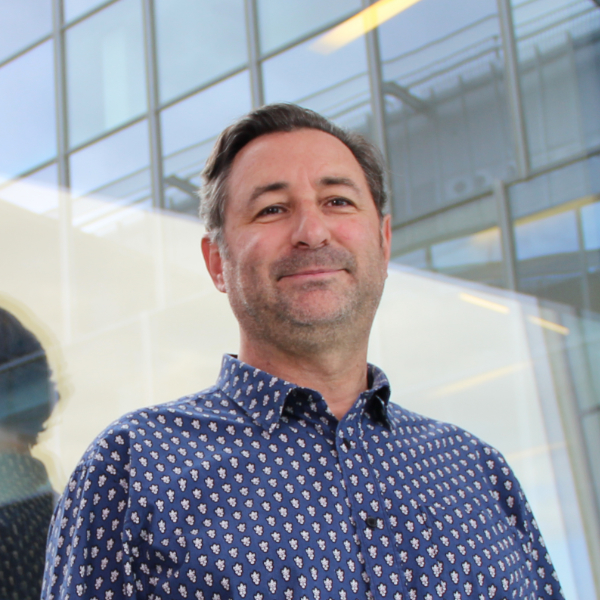
Jean-Emmanuel Sarry

Fabienne Brenet
Clinical development and applications
Unravel the spatio-temporal dynamics of metabolic heterogeneity within leukemic and microenvironmental compartments contributing of drug resistance in vivo
Dissect the impact of systemic host metabolism in drug persistence in vivo
Investigate the impact of extrinsic host factor in drug persistence in vivo
THE TEAM’S
FOCUS
Discover
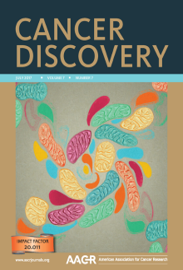
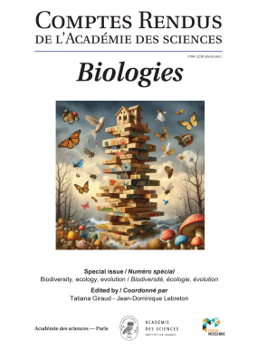

Understand
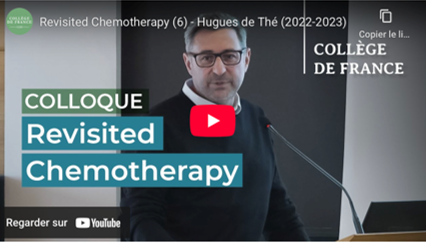
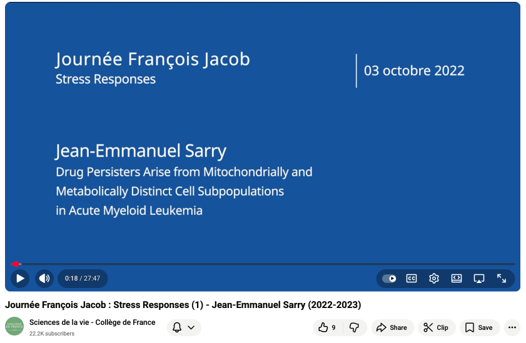

Participate
live

 ;
;
Happy to share that our metformin story was invited for the cover art of the latest issue of #BloodAdvances @BloodPortfolio!🩸
For those who haven’t seen it yet:
Great collaboration between @SchuringaLab @QuekLab @FrezzaLab and @jeansarry!
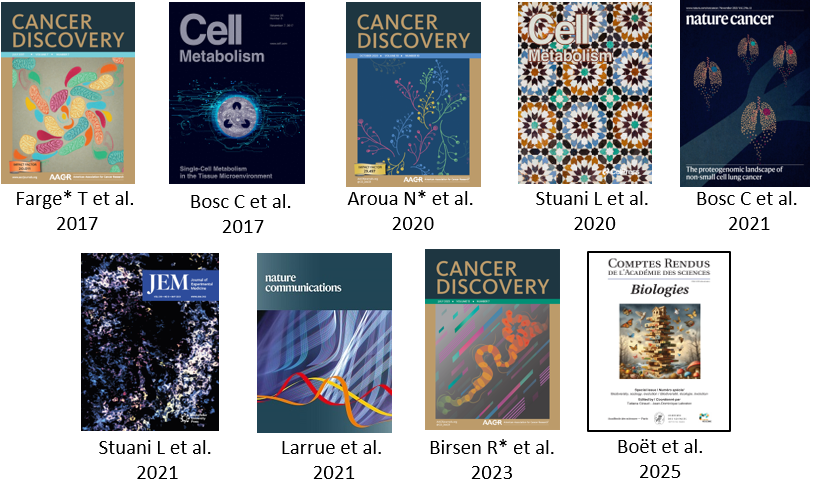
SCIENTIFIC PRODUCTIONS
PUBLICATIONS 2026
PUBLICATIONS 2025
PUBLICATIONS 2024
PUBLICATIONS 2023
PUBLICATIONS 2022
PUBLICATIONS 2021
PUBLICATIONS 2020
PUBLICATIONS 2019
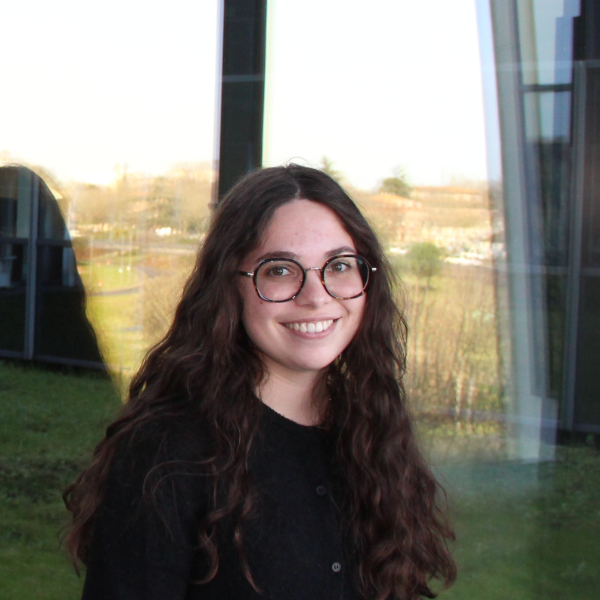
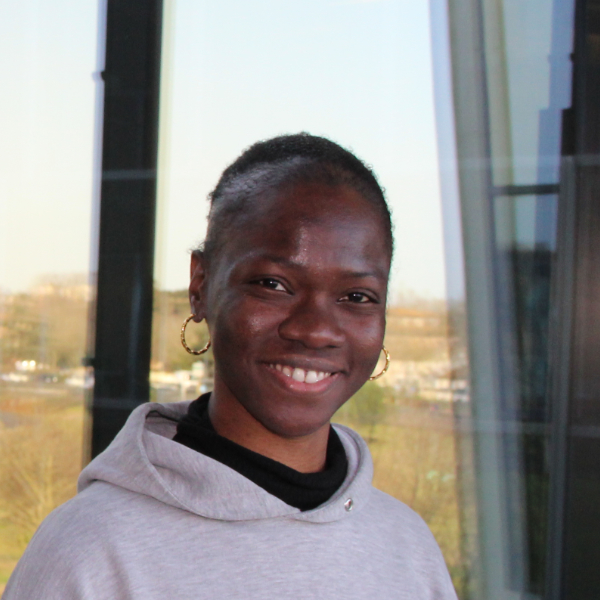
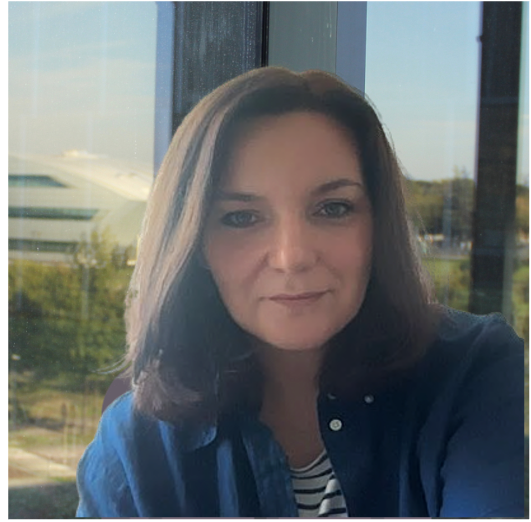
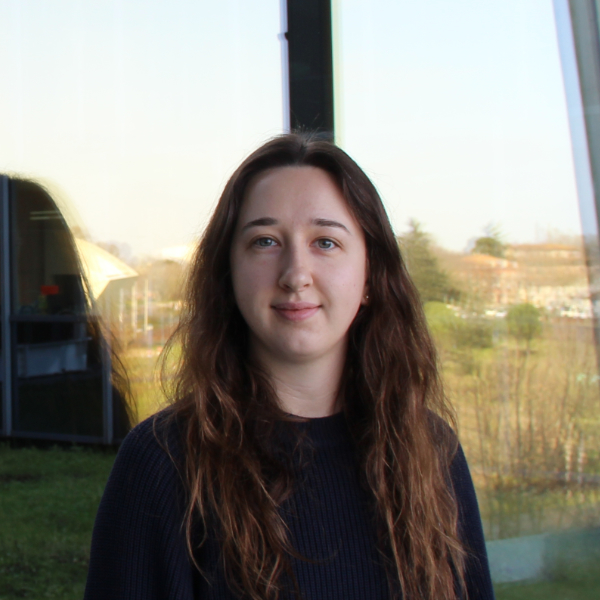
TEAM MEMBERS

PARTERNSHIPS & FUNDING

Centre de Recherches en Cancérologie de Toulouse (Oncopole)
Toulouse – FR
CRCT-Oncopole Follow 1,434 1,195
Compte officiel du Centre de Recherches en Cancérologie de Toulouse

Prize for the best communication at the French Association for Pancreatic Cancer Research (AFRCP) day for @BousquetVaysse team at @crctoncopole
➡️
Nous contacter
05 82 74 15 75
Envie de rejoindre
L’équipe du CRCT ?