SEBASTIEN VERGEZ
INVESTIGUATEURS ASSOCIES : ESTELLE ESPINOS, STEPHANE MANENTI ET STEFANIA MILLEVOI
RNA-binding proteins, autophagy &
response to therapies in HNSCC
BACKGROUND
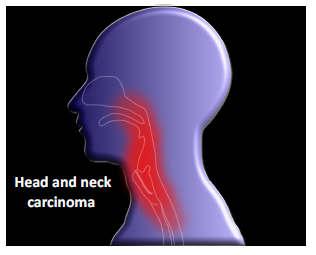
Head and neck cancers (HNSCC) are associated with smoking, alcohol consumption and Human Papilloma Virus (HPV) infection. Over the last two decades, the evolution of therapeutic management has not improved the 5-year survival rate. These therapeutic failures, associated with important side effects (toxicity, impact on the quality of life of patients), are mainly due to the establishment of resistance mechanisms. Therefore, in view of the recent increase in oral cancers in young adults, and in the absence of biomarkers that allow to distinguish the most aggressive forms from the non-aggressive ones, it is urgent to make efforts, in particular in the field of basic RNA research, which has been largely neglected so far, in order to better understand and treat this pathology.
ACHIEVEMENTS
S.Vergez is developing innovative research on so-called “mini-invasive” surgery. A relevant issue for the development of this axis appears in the recent contribution of S. Millevoi’s laboratory to highlight the importance of RNA binding proteins (RBPs) in the post-transcriptional coordination of the expression of immune checkpoints, in particular PD-1. These results open up promising therapeutic strategies (Franchini, D.M. (2019) Cell Rep.; Patent EP18306286.8; EP17305514)
ONGOING/FUTURE PROJECTS
Our project aims to address the lack of knowledge in RNA regulation in head and neck cancers. In particular, we will investigate the role and mechanisms of action of deregulated RNA binding proteins in HNSCC, and the biological and clinical relevance of these regulations. Our ultimate goal is to highlight the potential interest of new therapeutic approaches aiming at targeting RNA-protein networks controlling the expression of critical genes, such as those involved in the response to treatments (radio-/chemo-/immuno-therapies). We will use our sample collections (IUCT-O Biobank) to investigate the clinical relevance of the identified regulatory pathways.